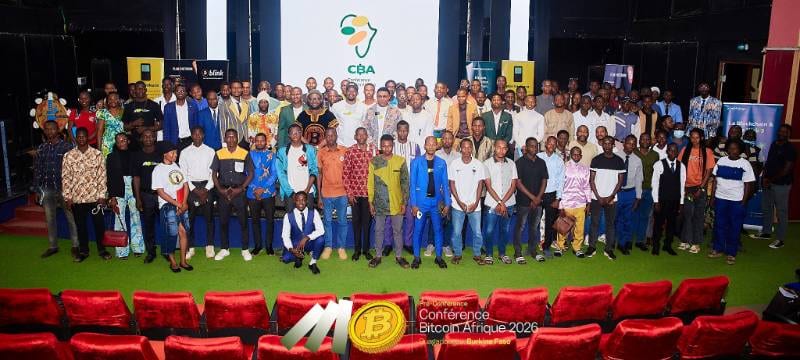
On April 17 to 19, 2026 at Ouagadougou; Burkina Faso something shifted in the Sahel, and if you were not paying attention, you missed it.
The second edition of the Conférence Bitcoin Afrique closed on April 19 at the Azalaï Hotel in Ouagadougou, three days in one city. Builders, educators, entrepreneurs, and community leaders from across French‑speaking Africa gathered to do what this conference was built for: move beyond the Bitcoin conversation and into the Bitcoin work.
This Was Not a Crypto Conference
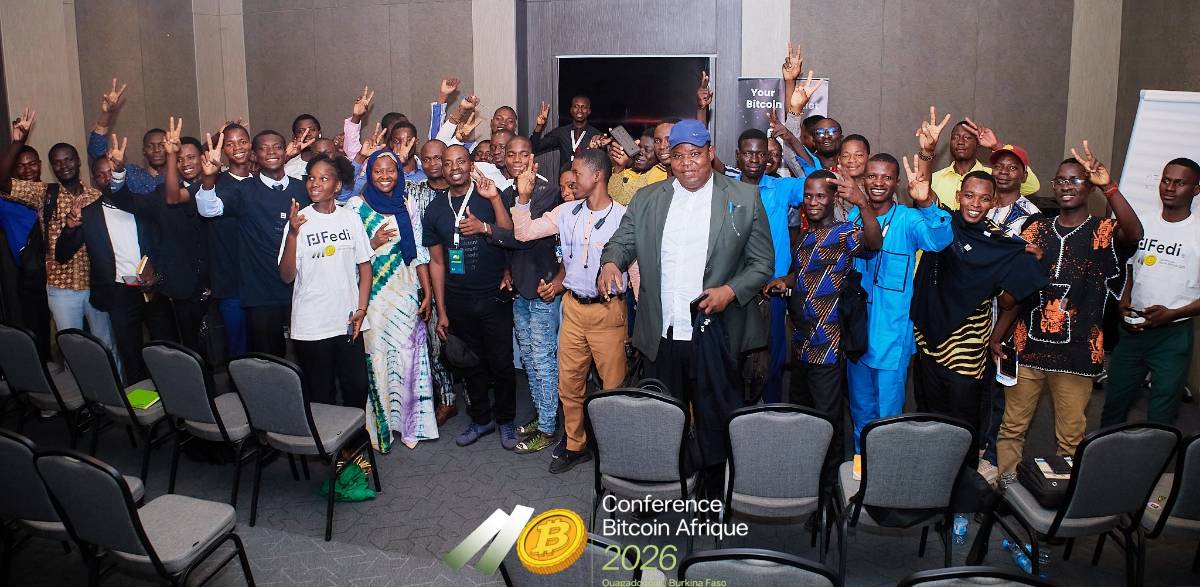
That distinction matters more than it sounds.
Most events in this space are wide nets. A bit of Bitcoin, a bit of everything else, and a lot of sponsors selling things people do not need. The Ouagadougou gathering was deliberately narrow, Bitcoin only and it was conducted primarily in French.
Sessions focused on financial sovereignty, circular economies, community‑led education, and local adoption strategies. The conversations were grounded in lived experience, not whitepaper theory, and the people in the room were not there to take notes, they were there to build.
Bitcoin Builders Who Showed Up
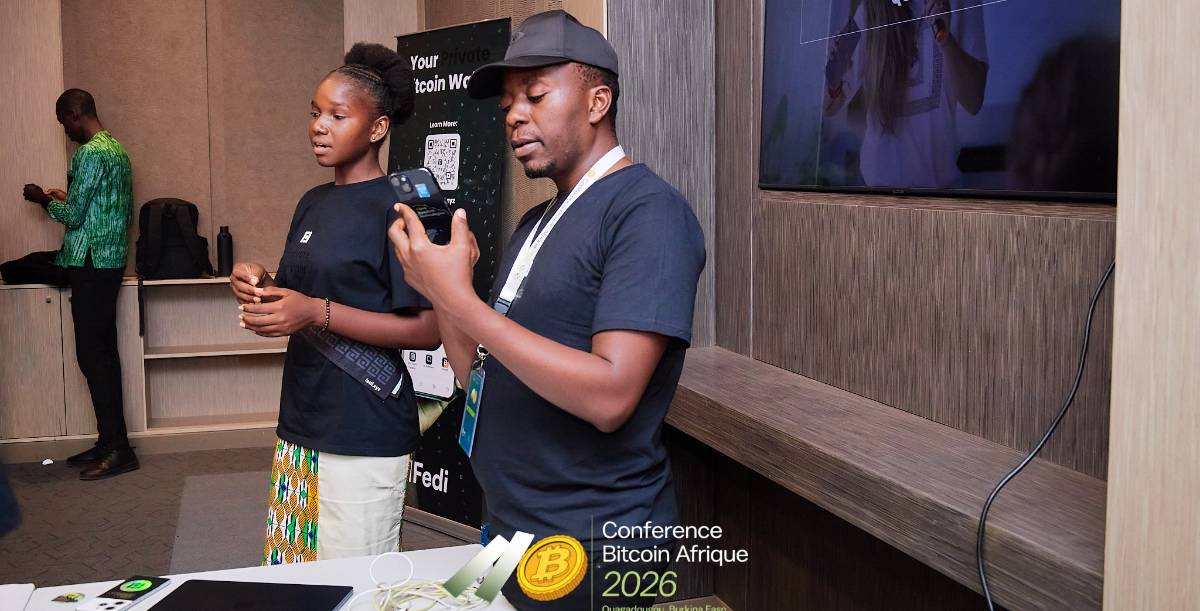
The speaker lineup reflected exactly the kind of community this conference is trying to serve.
Kester Ebuka Ejikeme of Bitcoin Anambra and Bitcoin Pidgin brought the grassroots Nigerian perspective. Ry Sterling of IBEX covered payments and liquidity infrastructure. Gabriel Kurman, author of Bitcoin Circular Economies, connected the dots between theory and on‑the‑ground implementation across the continent. Coach Ayobami of BitKwa, Modibe Matsepane of Fedi, Elodie Lue of SQY Wallet, Abdoul Salam Sore of Althash University, Belyï Nobel Kubwayo of BTC Shule, and many other builders rounded out a lineup built from people who are actually inside the Francophone African Bitcoin ecosystem rather than looking at it from the outside.
These are not conference speakers, they are builders who happened to be on stage.
The Bootcamp That Ran Before the Conference
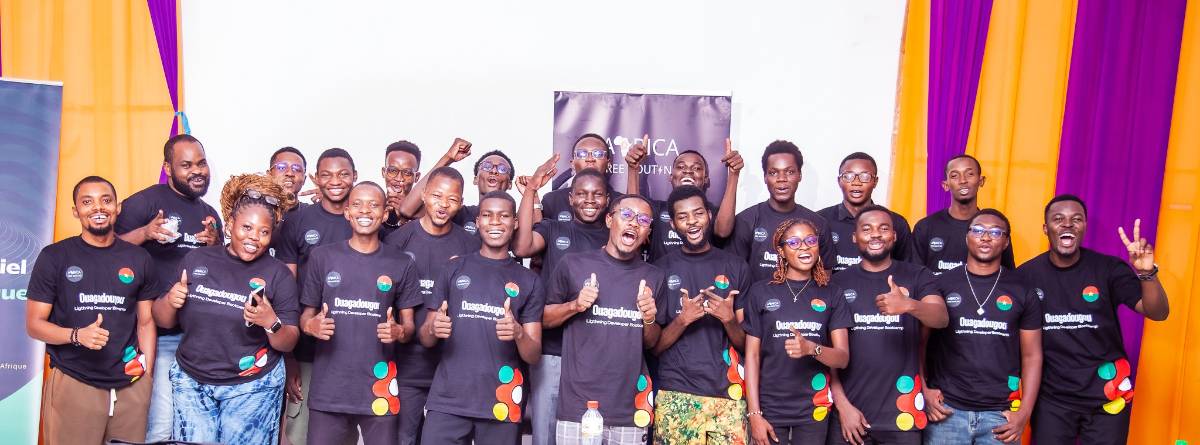
From April 13 to 17, before the main event opened, developers gathered for a five‑day Lightning Network-focused hands‑on technical bootcamp by Free Routing Africa. The kind of training that sends people home with skills rather than slides.
Putting the technical training immediately before the broader community gathering was a deliberate choice. It meant that when builders and educators sat down together across the three main conference days, they were speaking the same language. That is a different energy from a conference where the developers disappear into a separate track that nobody else attends.
Why the Sahel and Why Now
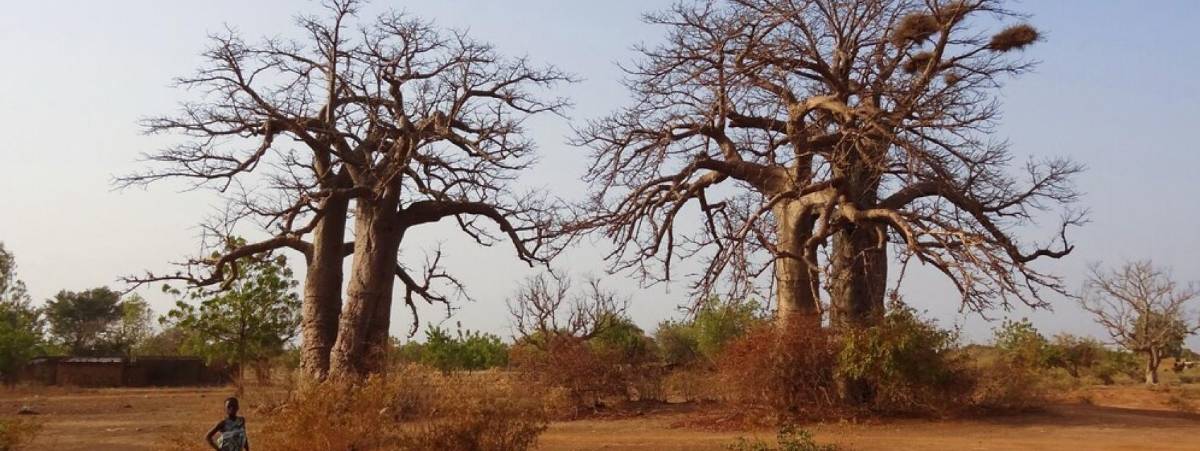
Burkina Faso is not a random choice. The Sahel is one of the regions where the argument for Bitcoin does not need to be made theoretically. Currency instability, limited banking infrastructure, and a young population looking for financial tools that actually work.
These conditions make Bitcoin practical in ways that are harder to explain in more stable economies. The conference builds directly on a growing Francophone Bitcoin network that developed through events like Dakar Bitcoin Days in Senegal and Bitcoin Mastermind in Benin, and the first edition held in Douala, Cameroon in 2025.
What Ouagadougou 2026 did was take that growing network and give it a larger stage. A place for the region to see itself reflected at scale.
The Second Edition Always Proves the First Was Not a Fluke
Douala 2025 showed this conference could happen, Ouagadougou 2026 showed it could grow.
The plan to rotate future editions across different Francophone countries follows the same model that has allowed the Africa Bitcoin Conference to embed itself continent‑wide over multiple years, from Ghana to South Africa to Kenya to Mauritius. Each edition deepens the roots somewhere new.
Francophone Africa is not catching up; It is building, and last week in Ouagadougou, that building became impossible to ignore.
Follow updates on the next edition at afriquebitcoin.org and on X at @btcafriquefr.