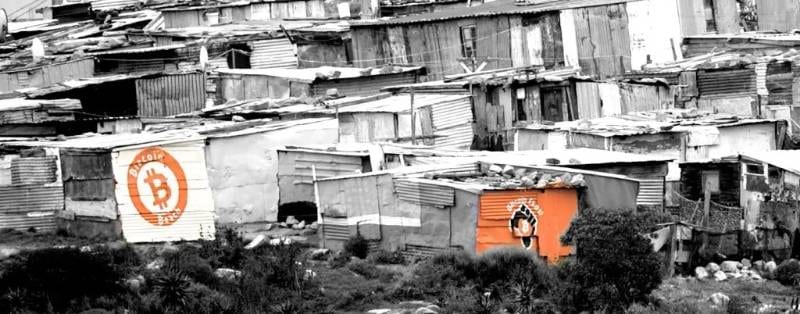
Building a Community: The Early Work in El Zonte
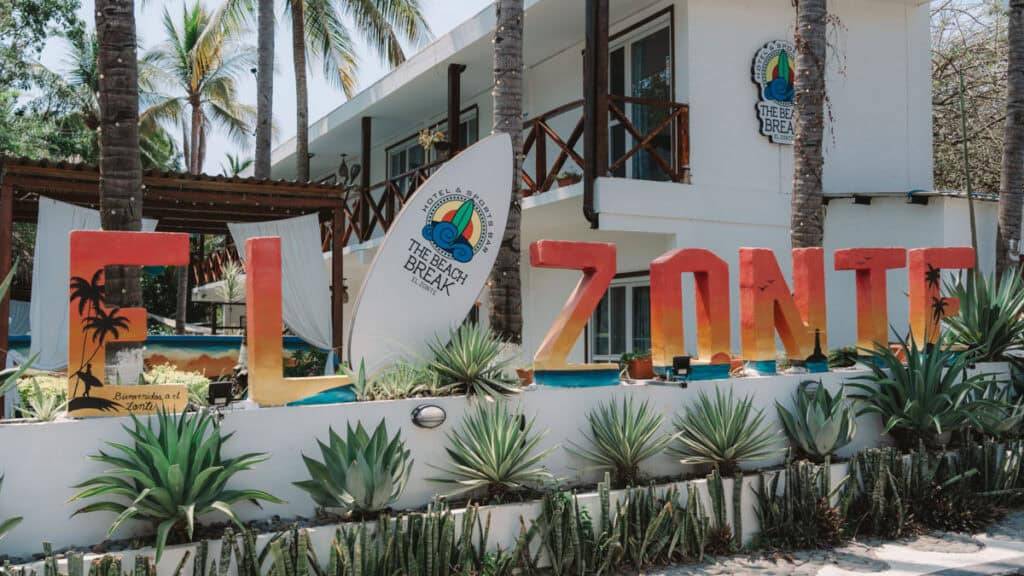
Long before Bitcoin made headlines, the small coastal village of El Zonte in El Salvador was already the focus of quiet but meaningful community work. Local leaders like Román Martínez and American philanthropist Mike Peterson had been running grassroots programs in the village for years, teaching English, offering basic computer skills, and organizing surfing programs for local youth.
Missionsake, a faith‑based non‑profit co‑founded by Mike and Brittney Peterson in 2014, had already been running community development and education programs in El Zonte (including the newly established Hope House), laying a strong foundation of trust and local development. It was this proven commitment to El Zonte that would soon attract outside attention.
Learn more about the initiatives: Sustaining Missionaries while Running Bitcoin Beach
The Bitcoin Donation That Changed Everything
In early 2019, an anonymous donor with a personal connection to El Zonte rediscovered a forgotten thumb drive loaded with Bitcoin he had purchased years earlier at just 5 to 10 cents.
After spending several days trying to unlock his wallet and finally retrieving the funds, he decided to put his unexpected windfall to good use. A believer in using Bitcoin to bring financial access to the unbanked, he committed a multi‑year, six‑figure donation to El Zonte.
After approaching several philanthropies in the region, all of whom wanted to convert the Bitcoin into cash, he partnered with Mike Peterson, a San Diego native who volunteers in El Zonte up to nine months a year.
Peterson was given one firm condition: the Bitcoin could not be cashed out. Residents had to learn to use Bitcoin itself, creating a real circular economy from the ground up. This was the birth of the Bitcoin Beach initiative. (For the full origin story, read the original Forbes article on Bitcoin Beach.)
Bitcoin in Everyday Life
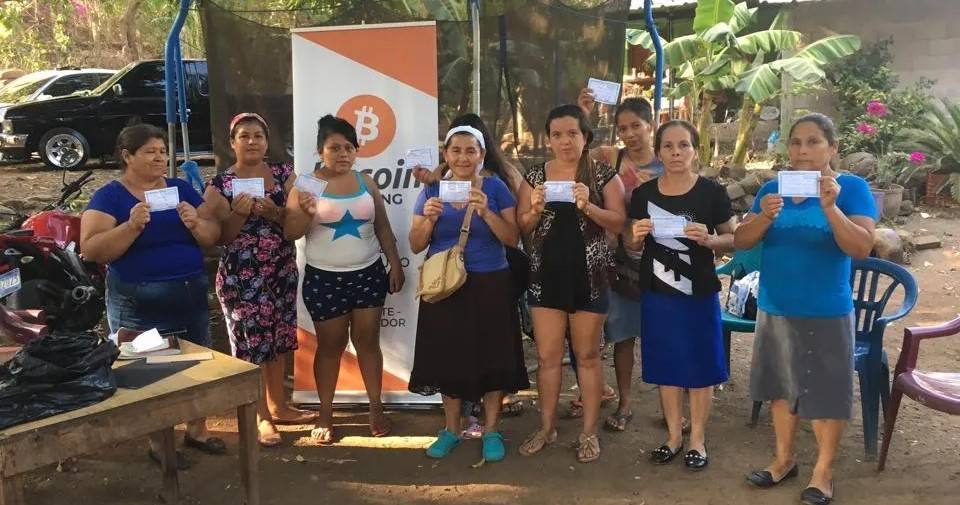
Local organizers, including Mike Peterson and community members such as Román Martínez, used these funds to begin introducing Bitcoin into everyday life in El Zonte.
Residents could earn Bitcoin by participating in community projects, while local shops, restaurants, and services were encouraged to start accepting it as payment. Over time, a circular economy developed where people could receive Bitcoin, spend it locally, and re‑use it throughout the community, offering a new financial lifeline to residents who had previously lacked access to traditional banking services.
This community‑driven model is frequently cited as a real‑world example of grassroots Bitcoin adoption. As the Los Angeles Times reported, the story of how a California surfer helped bring Bitcoin to a small El Salvadoran village. The Bitcoin Beach initiative captured global attention and was one key inspiration when El Salvador later made Bitcoin legal tender at the national level, giving El Zonte its now‑famous nickname, "Bitcoin Beach."
Lessons Learned from El Zonte
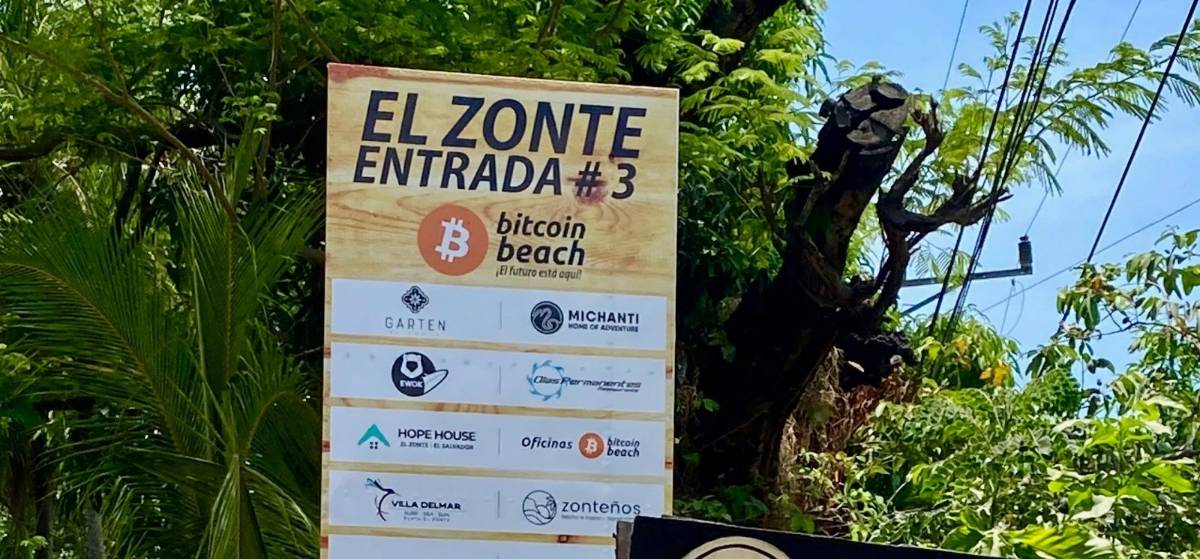
Bitcoin Beach demonstrated that Bitcoin circular economies could function in practice, not just in theory. Local businesses adopted Bitcoin for everyday transactions, and residents learned to manage and secure their own funds, many for the first time.
This real‑world experiment challenged critics who had long argued that Bitcoin could never work as a practical currency in Latin America, proving instead that communities can embrace an alternative financial system when it is accessible, trusted, and built from the ground up.
The project challenges the outdated assumption that Bitcoin cannot work in developing economies; on the contrary, it is precisely in these communities, where traditional financial systems have failed the most people, that Bitcoin's value is felt most immediately.
Bitcoin Ekasi: Africa’s Answer to Bitcoin Adoption
In late 2019, Hermann Vivier came across an interview with Mike Peterson, the founder of Bitcoin Beach, on the 'What Bitcoin Did' podcast. The idea of a circular economy in El Zonte stuck. Inspired by what had taken root in El Zonte, Hermann Vivier decided to try the same experiment in their own backyard in Mossel Bay, South Africa, using their registered non‑profit, The Surfer Kids, as the trusted community platform to launch it.
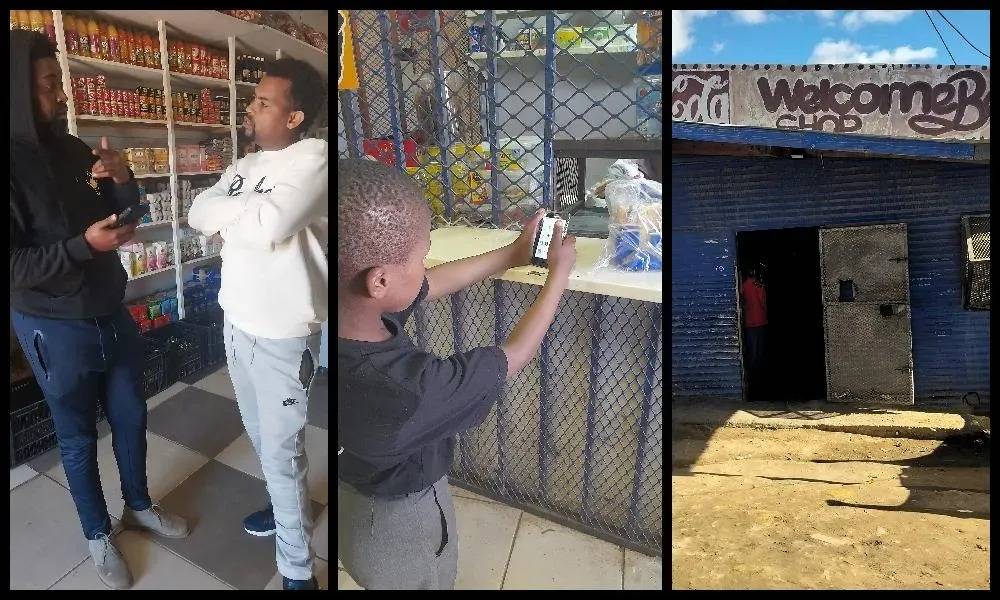
On August 5, 2021, Vivier sent senior surf coach Luthando Ndabambi and Joey Olden into JCC Camp, a township on the outskirts of Mossel Bay, with a single mission: find a corner store willing to sell something for Bitcoin. That afternoon, they bought two cold drinks using sats sent over the Lightning Network. That small transaction was the moment Bitcoin Ekasi was born.
It did not happen overnight. Before any of it, Vivier spent two months educating Luthando, who had never heard of Bitcoin in the context of scams. Luthando then took that knowledge into the township, speaking to corner store owners about the practical benefits of accepting Bitcoin as payment. The first store to come on board was Kwallos Shop, owned by Nosihle and her husband, Vuyisa. From there, Luthando's Bitcoin salary could be spent buying groceries locally, and the circular economy began to take shape. As Bitcoin Magazine documented, it took three months to onboard the second and third stores, with Bitcoin salaries gradually extended to more coaches and staff.
The impact on individuals has been tangible. Senior surf instructor Luthando Ndabambi told the Thomson Reuters Foundation: "Before, I would spend money quickly. But now I am saving, I am thinking about the next ten years." His ambitions have grown, too: "Now my dreams for the future are different. I want to open up a township restaurant where customers can pay with Bitcoin."
Today, around 62 convenience stores in JCC Camp accept Bitcoin alongside cash, all staff earn 100% of their salaries in Bitcoin, and Bitcoin Ekasi runs a free learning centre that pays children a weekly Bitcoin reward for taking lessons in literacy, numeracy, and Bitcoin basics.
How Bitcoin Circular Economies Work
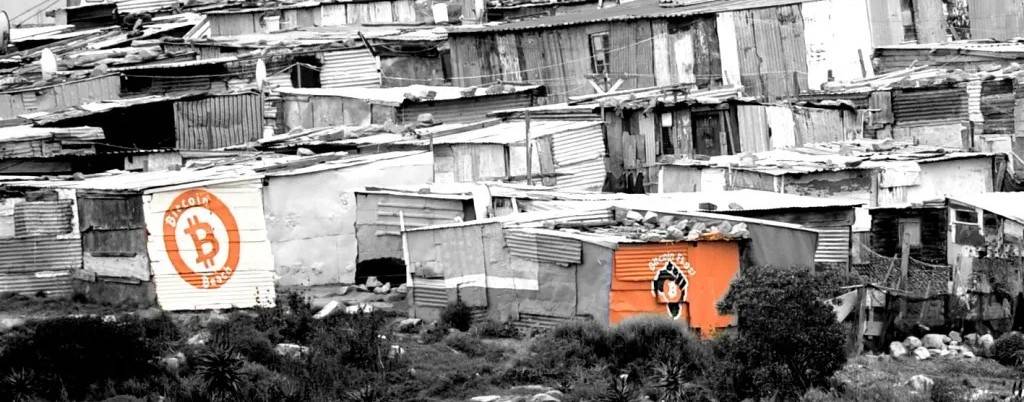
Bitcoin circular economies are built around a simple but powerful idea: keeping Bitcoin moving within a community loop.
Residents earn Bitcoin through salaries, stipends, or community work; they spend it at local merchants; and those merchants in turn use it to pay others. But the mechanics alone don't explain why these projects succeeded where others have failed; the deeper answer lies in how they were built.
Both Bitcoin Beach and Bitcoin Ekasi were introduced through existing non‑profit organizations that already had deep roots and credibility in their communities. In El Zonte, Peterson and Martínez had spent years running community programs before Bitcoin ever entered the picture. In Mossel Bay, Hermann Vivier and Zhivaleva introduced Bitcoin through The Surfer Kids, a non‑profit already trusted by local families.
When Bitcoin arrived, residents weren't being sold something by a stranger; they were being guided by people they already knew. That foundation of trust is arguably the most important ingredient of all. Several other factors proved equally essential. Education gave residents the practical knowledge to use wallets, understand self‑custody, and manage their own funds. Merchant adoption created the spending infrastructure that made earning Bitcoin worthwhile.
Together, these elements form the blueprint that circular Bitcoin economy projects around the world are now following.
Conclusion: Global Inspiration
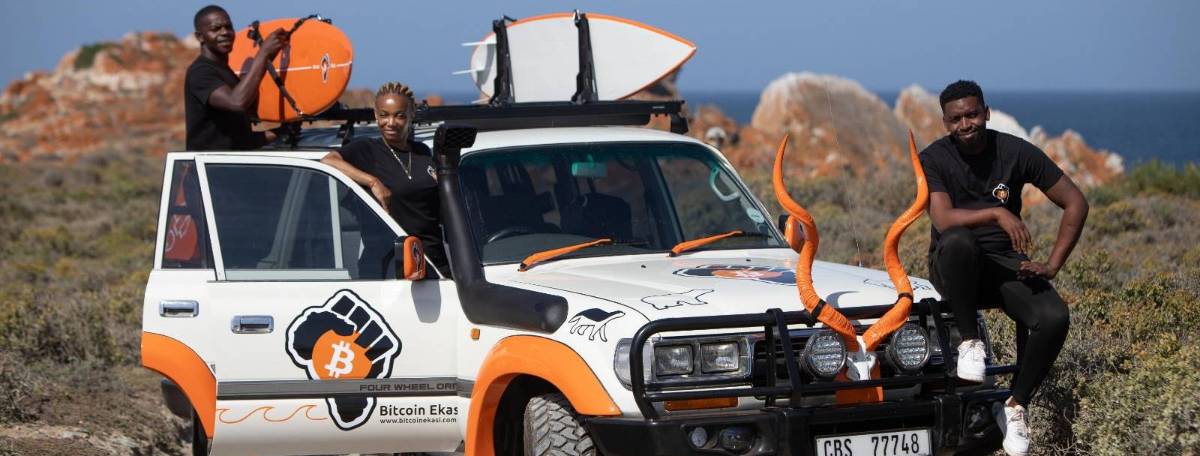
Bitcoin Beach and Bitcoin Ekasi are proof that Bitcoin is more than an investment vehicle. It is a practical tool for economic empowerment, and the two projects together laid the foundation for an entire continent's Bitcoin circular economy movement.
The ripple effect was not accidental. Conversations between Hermann Vivier, Mike Peterson, and Scott of the Federation of Bitcoin Circular Economies led to the creation of the Circular Bitcoin Africa Fund, a collaborative effort to pool resources and accelerate adoption across Africa. At the first Adopting Bitcoin Cape Town conference in January 2024, the fund distributed 15 million sats each to Bitcoin Witsand in South Africa, Bitcoin Victoria Falls in Zambia, Bitcoin Dua in Ghana, and Bitcoin Kampala in Uganda.
These were not just numbers on a balance sheet. They were sats in the hands of merchants, sats paying for food, and sats showing families that Bitcoin could work for them. What started with five pilot projects has since grown into a network of over 40 initiatives across the continent, including BitBashara, Bitcoin Famba, Bitcoin Anambra, Bitcoin Aves, Bitcoin Karoo, and BitJR Academy, among many more.
But the story is bigger than any single fund or network. Across Africa, circular Bitcoin economies have been sprouting up in communities that have never been in contact with CBAF, Bitcoin Beach, or Bitcoin Ekasi. Young people, teachers, surfers, shopkeepers, and community organizers are hearing the story, seeing what is possible, and starting something of their own, on their own terms, for their own communities. No permission needed. No formal affiliation required. Just the idea that sound money, in the right hands, with the right education, can change lives.
That is perhaps the most powerful legacy of El Zonte and Mossel Bay. They didn't just build circular economies. They proved that ordinary people could build them, and in doing so, gave an entire continent permission to try. The Bitcoin circular economy story is still being written across Africa, and every new project, visible or not, is another chapter.